Sentera
2021
product design, mobile app
The Issue
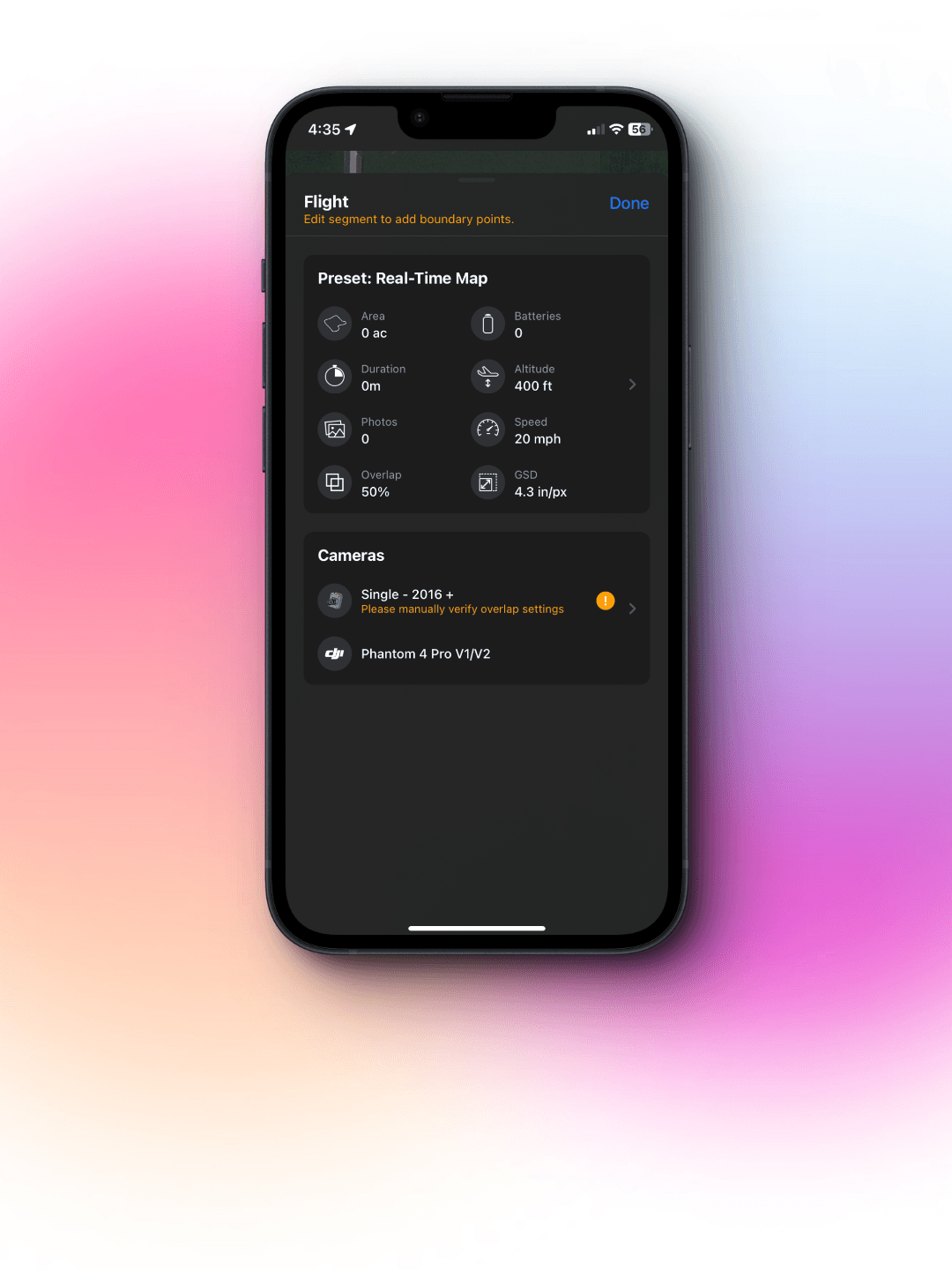
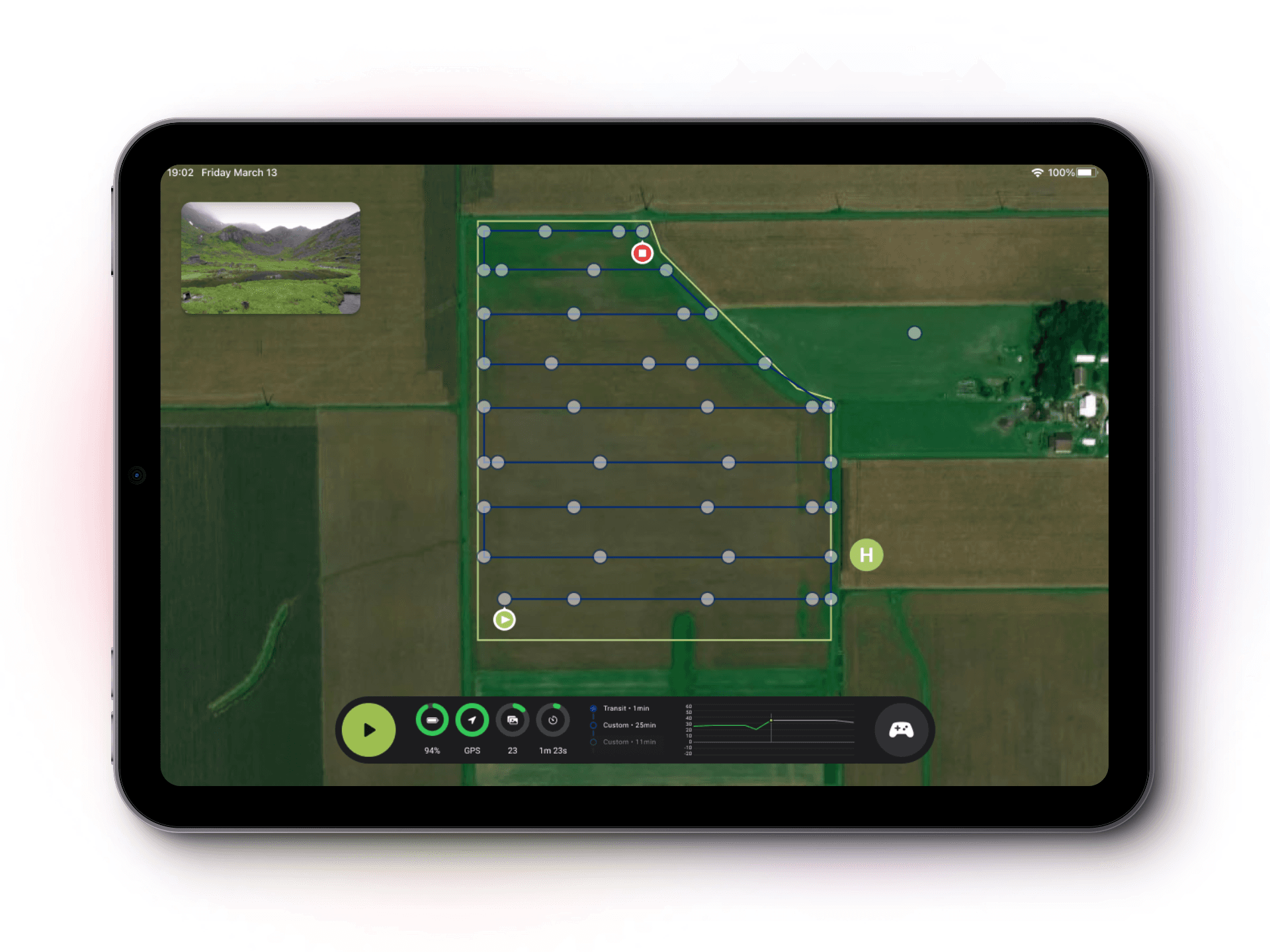
A couple months in to my tenure at Sentera, I noticed that there was a massive gap in the user journey. To simplify it, we were not offering the user a way to easily re-order data collection. If you were a new customer, you would typically begin your relationship with a phonecall or series of emails in which Sentera would arrange all the drone flights and set you up with an account. This first time through was pretty frictionless, because after the setup, you would get your processed data returned to you in your new dashboard. But what if you wanted more? you would have to call / email again and we would manually schedule dates with pilots. After a while, customers would forget to schedule during the appropriate window, missing the opportunity for data collection.
The Process
To build a business case around this feature set, I needed to understand the current process by interviewing internal SME's and then I needed confirmation from the customer base that this feature would be useful, additive, and a driver of revenue.
Internal Discovery
I interviewed our flight services team, which is comprised of drone pilots and a coordinator. They came to the table with a lot of pain points about the current process:
Weather re-scheduling was difficult and disruptive.
Handling large volumes of imagery stored on SSD cards was painful.
Many imagery sets get erased or added to the wrong account.
It was often difficult to contact the customers when an issue arose.
Customer Research Interviews
Customers did not like having to plan an entire season of data collection in one moment.
None of the customers used the same KPI to judge crop health, so they were all looking for different data points and wanted the flexibility to change the type of imagery collected.
Billing is painful. The ability to purchase in the app via credit card would allow customers to order additional flights and data products.
Time is money. The customers needed the agility of on-demand ordering, sometimes the insights arrive too late to make meaningful change.
The Solution
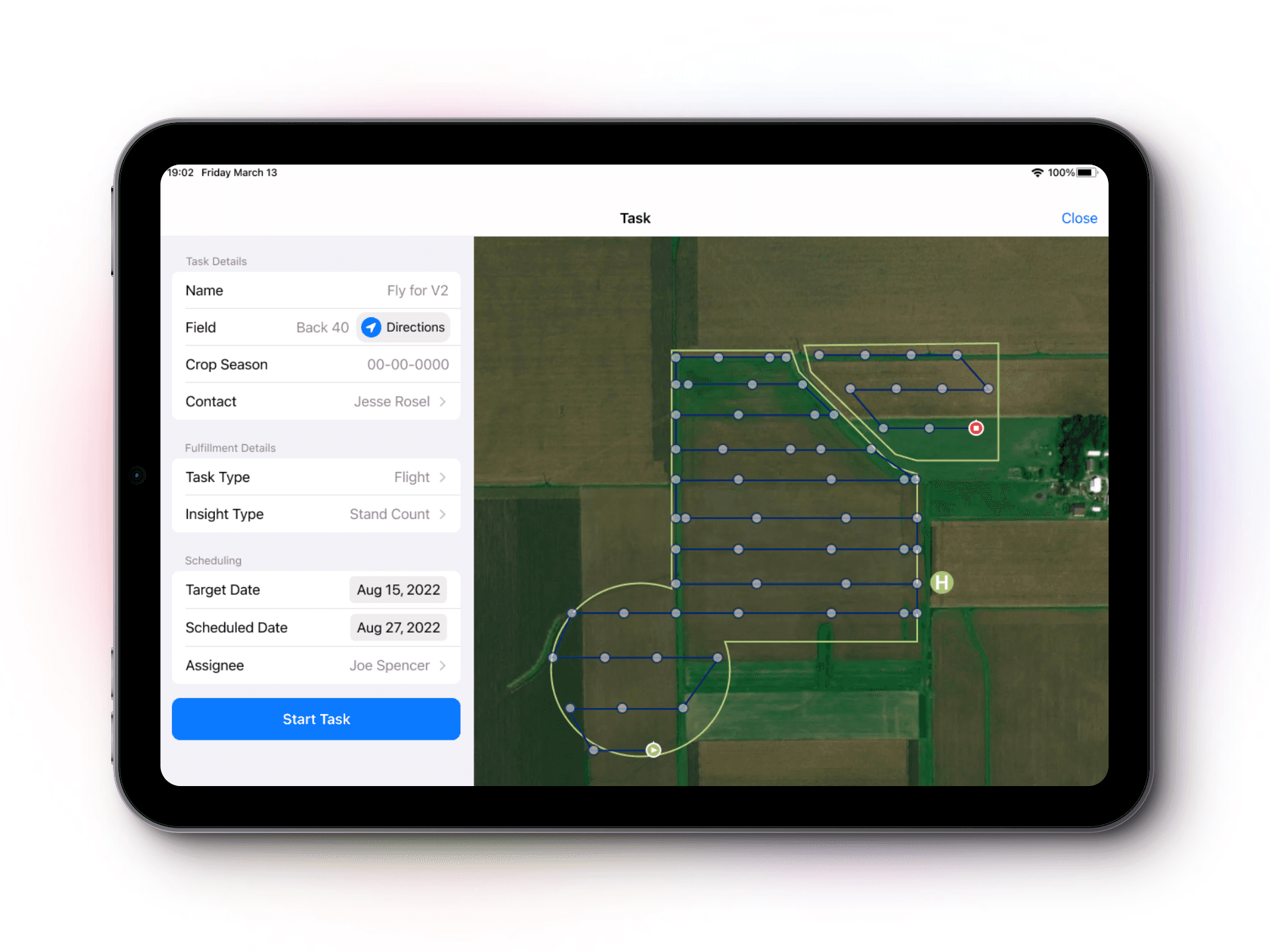
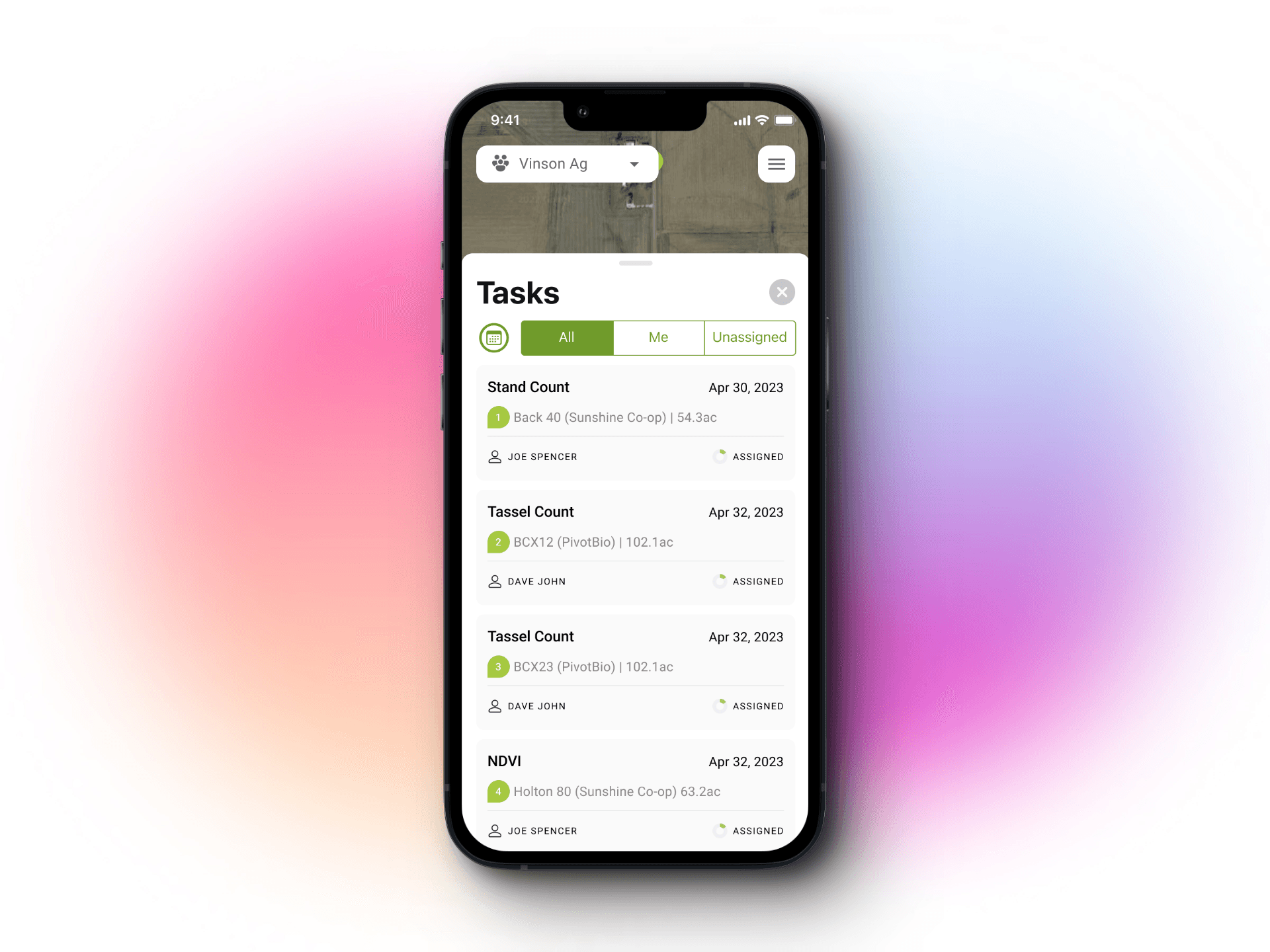
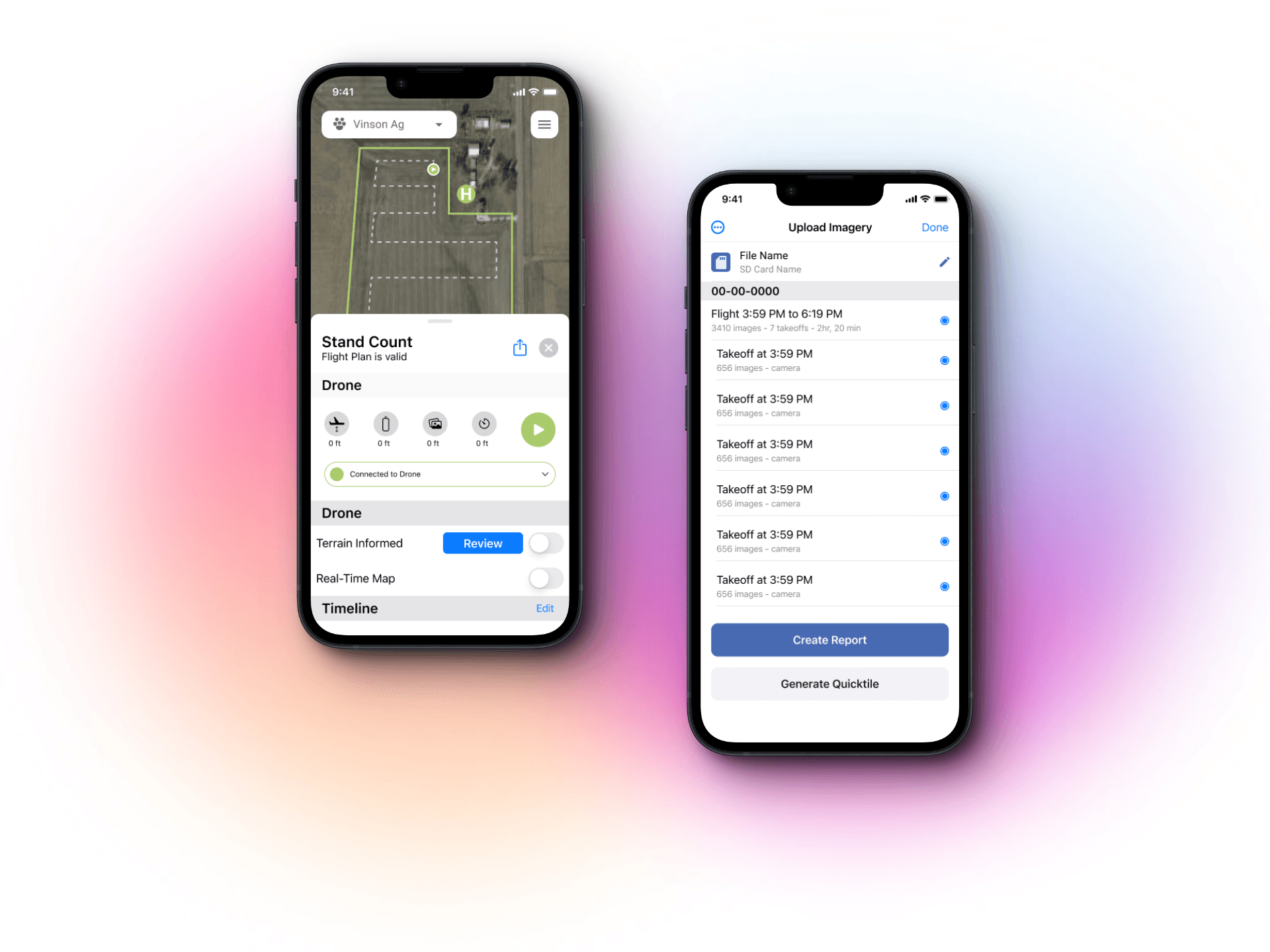
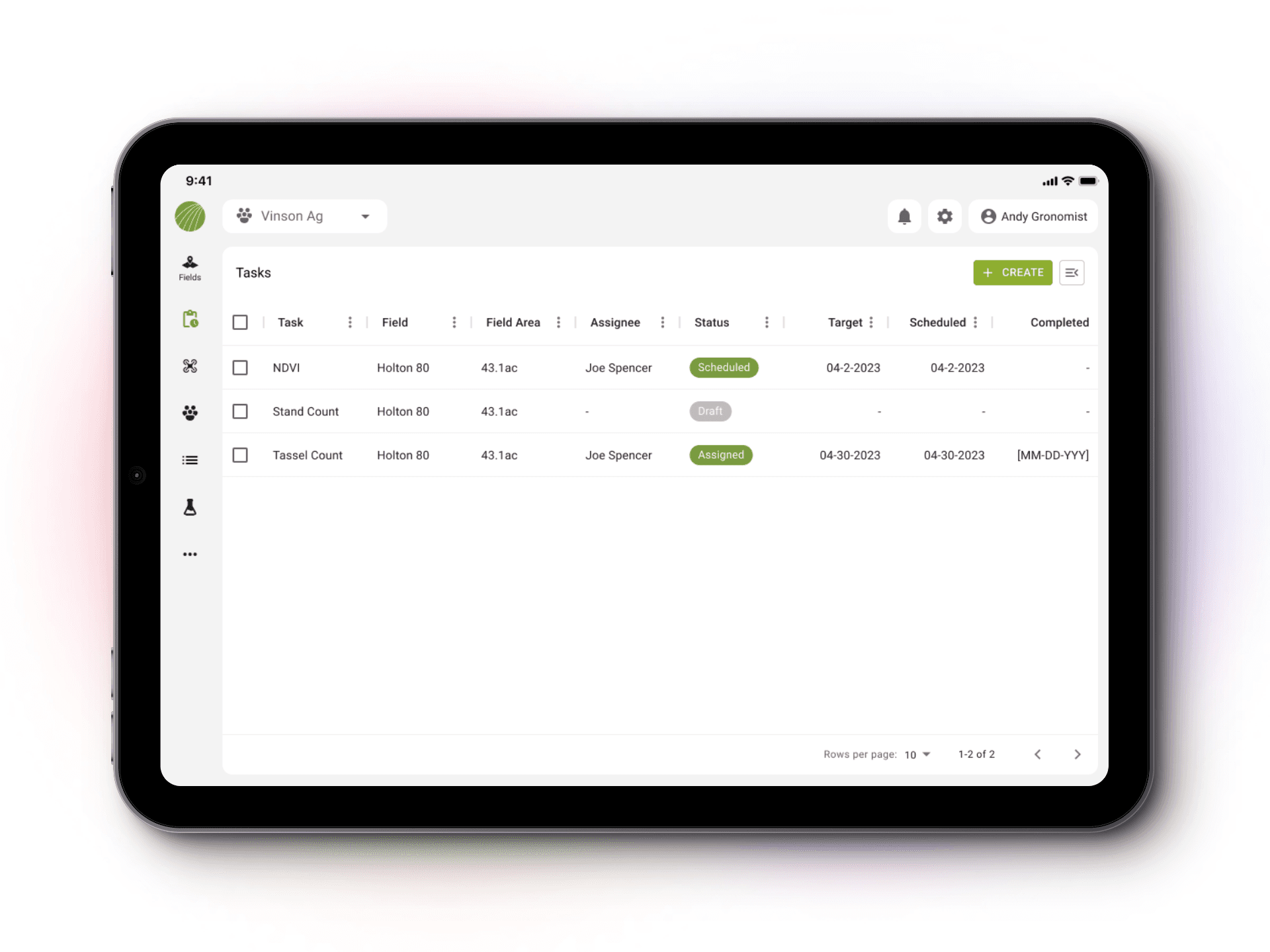
After synthesizing the research and wireframing several concepts, I landed on a solution: Tasks. The idea was to digitize a manual process by creating a task object, very similar conceptually to a Jira ticket.
User orders a new flight in the app by creating a flight task.
The task has all the details necessary for the pilot to complete the flight.
Sentera can then change statuses and assign flights, all within the app.
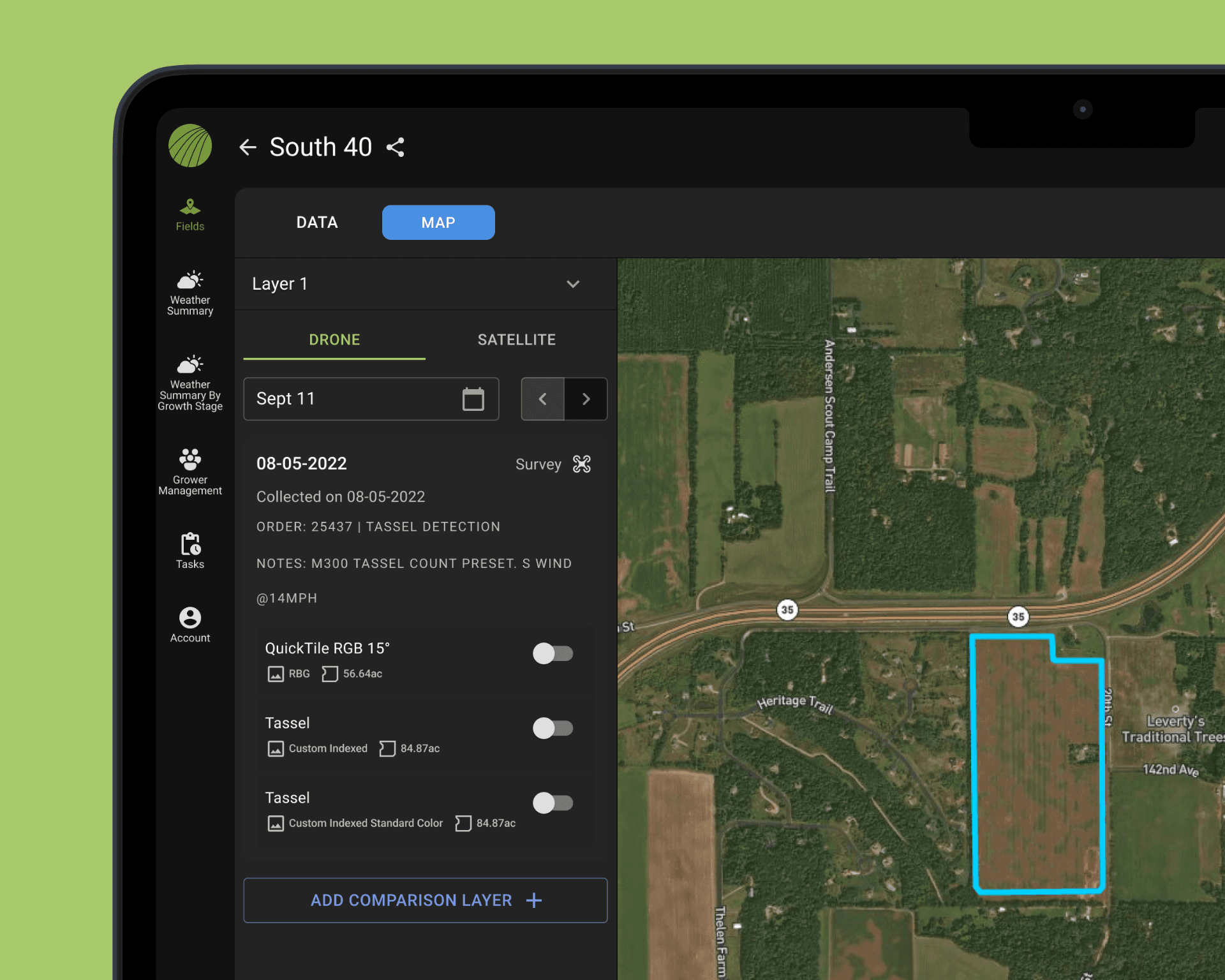
Flight imagery is attached directly to the task for processing.
After processing, the status changes and it is released to the users account.
Results
The addition of the Tasks feature to the FieldAgent app resulted in the following outcomes:
Increased Flight Task Completion Rates: Field workers reported a significant increase in task completion rates due to improved organization and visibility of tasks.
Reduced Time Spent on Task Management: The centralized task management system saved pilots and coordinators time previously spent on manual tracking and communication.
Improved Communication and Collaboration: Real-time updates and feedback mechanisms enhanced communication between the field and flight ops, leading to better coordination and issue resolution.
Conclusion
The introduction of the Tasks feature to the FieldAgent mobile app successfully addressed the initial challenges and achieved the desired objectives. The user-centered design approach, combined with a focus on task management efficiency and communication improvement, resulted in a valuable addition to the app that significantly enhanced the productivity and satisfaction of field workers.